Typical Pest Access Points in Windsor Homes
Why Homes in Windsor Are Vulnerable to Pest Entry
Property owners looking for pest control Windsor solutions often realize that the first problem is not the pest itself, but the access points that let pests inside. In Windsor, Ontario, local housing conditions offer plenty of opportunities for pest ingress. Older neighbourhoods often have aging materials, settling foundations, and original building components that naturally create structural gaps over time.
The Windsor climate also plays a major role. Seasonal moisture, freeze-thaw cycles, and shifting temperatures can expand foundation gaps, loosen exterior caulking, and open cracks around windows, doors, and service lines. When the weather changes quickly, small vulnerabilities can become real access points for rodents, insects, and even larger wildlife. That is why prevention is so important in this region.
Homes near the Detroit River and Lake St. Clair can face extra pest pressure because humidity tends to increase moisture around basements, crawl areas, and exterior walls. That moisture creates attractive harborage conditions and makes sealing work less effective if it is not maintained regularly. Add in seasonal pest pressure through spring, summer, and fall, and it becomes clear why a careful home inspection matters in Windsor.
Many local homes also include additions, enclosed porches, finished basements, and attached garages. These features are convenient, but they often contain hidden access points such as utility penetrations, weak weatherproofing, or older seals that have deteriorated with age. For long-term prevention, homeowners need to understand where pests are most likely to enter and how to inspect those vulnerable areas before an infestation begins.
The Most Common Pest Entry Points in Windsor Homes
Frequent pest entry points in Windsor homes are usually found along the outer shell: the places where the structure meets the outdoors. These include cracks in the foundation, door gaps, damaged window screens, and utility penetrations around pipes, vents, and cables. Once these openings appear, they can become recurring entry points for pests searching for food, warmth, and shelter.
Foundation cracks are particularly widespread in historic homes across Windsor. Movement, humidity, and freeze-thaw cycles can cause thin lines that look harmless, but they are often adequate for tiny pests to squeeze through. Although the crack is not wide enough for a mouse or insect to enter directly, it can still provide a route for pest activity around the foundation wall and into hidden spaces.
Door gaps are a further major issue. If exterior doors no longer shut securely, or when the threshold has deteriorated, pests can slip inside with little effort. Adding or swapping out door sweeps is one of the simplest ways to reduce this risk. Combined with proper weatherstripping, door sealing can significantly reduce pest ingress while also increasing energy efficiency.
Damaged or wobbly window screens can attract flies, spiders, and other insects, while split seals around frames can allow crawling pests to enter. Utility areas are also regular weak spots. Utility line penetrations around electrical, gas, or cable services often have small openings that are overlooked during routine maintenance. These hidden gaps are frequent in homes with additions, older masonry, or unfinished basement sections, and they often need proper caulk to close them securely.
Ways Pests Get In Through Rooflines and Attics
Roof areas are a common entry point of pest entry because they create height, shelter, and heat. Gaps around roof vents, soffits, and attic openings can create easy passage into upper wall cavities and insulation. After entry, pests can move through voids without being noticed right away, making the problem tougher to identify until damage signs appear.
Attic vents warrant extra care because they are built to promote ventilation, but they must still be covered and sealed properly. If these components are compromised, birds, pests, and tiny mammals may take advantage of the opening. In Windsor, where cold weather and shifting seasons can loosen exterior materials, even a minor crack can become a reliable nesting entry point.
Squirrels are particularly good at using roof-level access points. They can chew through weak materials, enlarge access points near soffits, and enter through unprotected attic spaces. Once inside, they may cause damage to insulation, disturbing activity, and contamination. A close thorough inspection of roof edges, flashing, and upper vents can help identify these vulnerable areas before animals settle in.
Entry Through Basements, Crawl Spaces, and Sump Areas
Basements are one of the most important areas to inspect in Windsor homes because they are often affected by humidity, foundation movement, and older building materials. Basement windows can become access points when they do not fit snugly, when the frames have warped, or when window wells allow pests to climb closer. This is especially common in established neighbourhood properties where original components may no longer provide a tight seal.
Crawl spaces are also a serious concern. They often contain dark, quiet conditions that support denning. If crawl space vents, access doors, or perimeter seals are failed, pests can gain entry easily and remain hidden. Because these areas are not checked as often as living spaces, problems may escalate before anyone notices an infestation.
Sump pump openings are another frequent problem in Windsor basements. If the cover is cracked, missing, or not sealed properly, pests can use that opening as a route into the home. This matters even more in areas with elevated dampness, since damp conditions attract insects and encourage rodent movement along walls and utility spaces. Mice in particular can exploit very small gaps around sump systems, basement trim, and wall penetrations.
Residences with older drainage networks may also have problem areas near weeping tile joints and floor-wall joints. Such areas can be hard to notice during a fast review, which is why a detailed review of the entire basement envelope is necessary. A small gap in a lower wall may appear small, but for pests it can be a reliable path indoors.
The kitchen, Garage, and Plumbing Entry Risks
Kitchens, carports, and utility areas are some of the most active access areas in a home, which makes them especially inviting to pests. Pipe gaps around sinks, dishwashers, laundry lines, and wall-mounted fixtures are frequent entry points because service lines often leave small openings behind cabinets and under floors. These openings may be hidden, but they are regularly used by insects and rodents moving through wall voids.
Kitchens vents can also allow pest ingress if they are not properly screened or if grease and moisture build-up make them more appealing. Food residue, crumbs, and poor sanitation can reinforce these access points by offering immediate reward once pests get inside. In other words, the opening matters, but so does what is waiting nearby.
Garage doors are another major risk area in Windsor, especially in homes with attached garages. The door seal, bottom threshold, and side gaps can wear down over time, allowing pests to slip in from driveways, storage areas, or exterior walls. Because garages often contain clutter, seasonal items, and stored materials, they can become a staging area for nesting and movement into the rest of the house.
Cockroaches often take advantage of warm, damp, and food-rich zones such as kitchens, utility cupboards, and laundry areas. They can enter through tiny cracks around plumbing, behind appliances, or through utility penetrations that connect shared wall spaces. Once they find moisture and food debris, they can spread quickly. That is why pest control Windsor professionals often pay close attention to both the opening itself and the conditions around it.
Pest Entry Points by Species in Windsor
Different species of pests take advantage of different access points, which is why a species-based strategy is so effective. Ants often enter through fine openings in foundations, window frames, or sidewalk junctions where they can follow scent trails into kitchens and bathrooms. They are especially likely to use small gaps that may not look serious to a homeowner but are large enough for a colony to exploit.
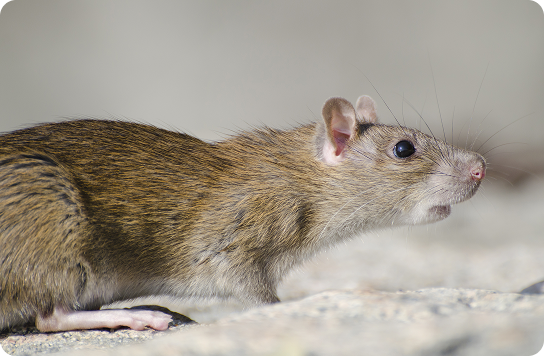
Rodents such as mice are persistent and can exploit openings the size of a small coin or less. They use foundation cracks, utility line penetrations, garage edges, and gaps around basement components to enter. Because they can chew softer materials, a small weakness may become a larger access point over time. Rodents are often drawn to warm spaces, food storage areas, and places where nesting material is easy to find.
Spiders usually enter where other insects are already active or where the structure offers quiet cover. They may use door gaps, window screens with tears, attic openings, and basement corners. Spiders are often a sign that other small pests are present too, since they follow prey into sheltered areas.
Wasps are common around rooflines, soffits, attic vents, and other elevated openings where they can build nests with limited disturbance. They often look for dry, protected cavities rather than food-heavy areas. In Windsor, as temperatures rise and exterior activity increases, wasps may take advantage of damaged vent openings or loose roof materials to establish a nest close to living spaces.
What Draws Pests In Once They Find an Opening
Locating an opening is only part of the problem. Pests remain because the indoor environment offers resources they need to survive. The biggest attractants are food sources, moisture, clutter, and warmth. If a home provides these conditions near a weak entry point, infestation becomes much more likely.
Food sources consist of open pantry items, pet food, grease build-up, crumbs under appliances, and garbage that https://ameblo.jp/oakville-onhj408/entry-12976653139.html is not sealed properly. Even small amount of food scraps can attract insects and rodents. Good sanitation supports prevention because it removes the reward that keeps pests inside once they enter.
Humidity is also another major factor, especially in Windsor’s humid periods and in homes near the riverfront. Faulty pipes, damp basements, and condensation around cold surfaces can create ideal conditions for insects and rodents. Wet areas also soften materials and make it easier for pests to exploit gaps.
Clutter gives pests shelter and reduces visibility. Storage boxes, stacked materials, and unused items create harborage and support nesting. Meanwhile, heat is a year-round attraction in Canada, especially during colder months when pests move indoors to survive. A small structural gap becomes much more important when the inside of the home provides food, cover, and a stable temperature.
How to Inspect Your Home for Pest Entry Points
A thorough home inspection is one of the best ways to minimize pest ingress before it becomes an infestation. Start with an exterior check around the full house, looking for cracks, openings, damaged trim, and signs of activity near the foundation, doors, windows, vents, and utility areas. Focus closely to spots where materials meet, since these junctions often reveal hidden vulnerabilities.
Check for damaged weatherstripping around exterior doors and basement windows. If you can see daylight around a closed door, pests may be able to enter as well. Swap out damaged sweeps, tighten hinges if needed, and inspect thresholds for wear. This type of weatherproofing improves both energy performance and pest prevention.
Use sealant to close minor gaps around pipes, siding joints, and utility entries. For more extensive or recurring problems, a more durable repair may be needed. When sealing cracks, focus on the points most likely to stay active through freeze-thaw cycles, since Windsor weather can reopen weak repairs if the wrong materials are used.
Do not overlook hidden areas such as behind appliances, around basement plumbing, near the garage door frame, and along attic access points. Look for damage signs such as droppings, gnaw marks, grease rub marks, shredded nesting material, insect trails, or musty odours. These clues can help reveal where pests are entering and how far the problem has spread.
When to Reach Out To a Pest Control Windsor Expert
Some entry points can be repaired by homeowners, but others need professional help, especially when there are clear infestation signs or repeated pest activity. If you notice scratching activity, feces, damaged insulation, chewed materials, or live pests in more than one area, it may be time to contact pest control Windsor experts for a more detailed inspection.
Professional local pest control services usually go beyond visible treatment. They often include exclusion services designed to find and seal access points, close structural gaps, and reduce the chance of pests returning. That work is especially valuable in Windsor homes with aging foundations, older windows, basement moisture, or attached garages that create multiple vulnerable areas.
A professional team may also recommend preventative treatment to protect entry zones that are likely to stay active through the season. This can be especially helpful near the Detroit River and Lake St. Clair, where humidity and shifting weather patterns can keep pest pressure high. Rather than waiting for pests to move deeper into the home, a proactive approach targets the conditions that allow them to enter in the first place.
If you are unsure whether a crack, vent, or basement gap is serious, a local expert can identify which openings are most likely to matter. In many Windsor homes, the issue is not one large hole but several small access points working together. A thorough inspection, careful sealing, and ongoing prevention can make a major difference in keeping pests out year-round.
FAQ
What are the the main pest entry points in Windsor homes?
The primary entry points are cracks in the foundation, gaps around doors, damaged screens on windows, openings around utility lines, attic roof vents, lower-level windows, and garage door seals. In Windsor, older homes and seasonal freeze and thaw cycles often make these areas more vulnerable to pest ingress.
How can I tell if pests are entering through my foundation or basement?
Watch for signs of damage such as droppings, gnaw marks, shredded nesting material, or insect trails near basement walls, windows, sump areas, and crawl spaces. If you see activity near weeping tile, sump access points, or wall-floor joints, those are strong clues that pests are entering through the lower structure.
Do homes in Windsor have more pest entry problems?
Absolutely. Many older homes in Windsor, Ontario have settling foundations, original windows, and aging seals that create more construction openings over time. These features, combined with local moisture and weather changes, can increase the number of access points pests can use.
Can pests get in through roof vents, attic spaces, or soffits?
Definitely. Roof vents, attic vents, roof soffits, and other roofline openings can allow pests like squirrels, wasps, and other insects to enter if they are damaged or not properly screened. These upper-level openings are important to inspect regularly.

When do I need to contact pest control Windsor for an inspection?
Call pest control Windsor when you see repeated pest activity, droppings, gnaw marks, nesting materials, or pests in multiple rooms. It is also a good idea to call if your home has older foundations, a damp basement, or recurring issues around garage doors, pipe entry points, or crawl spaces. A professional can provide exclusion advice, preventive treatment, and a targeted plan for long-term prevention.
Mosquito Man Windsor
2485 Front Rd, LaSalle, ON N9J 2C5, Canada
+1 226-526-4711
https://maps.app.goo.gl/JwhSC65zfbLWNH6v7
https://mosquitoman.ca/pest-control/windsor/
42.2161228, -83.1003005