Dead Pest Removal in North York: What Property Owners Need to Know
What Dead Pest Removal Involves
Dead pest removal is the task of locating, taking away, and cleaning https://richmond-hill-onmk858.publishlane.com/posts/best-places-to-eat-in-north-york-on-best-spots-to-eat-and-neighbourhood-standouts up pest carcasses after an infestation or a single pest death inside a property. Unlike general pest extermination, this service focuses on the mess left behind: decomposition, contamination, lingering foul smell, and the sanitation steps needed to make the area safe again. In many cases, it is part of broader pest control North York services for homes, condos, and businesses.
In practical terms, the work may include pest carcass removal, odor removal, disinfection, and full sanitation of the affected area. If the carcass is hidden in a hard-to-reach place, such as a wall cavity or crawlspace, the job may also require a professional inspection and careful access to the area.
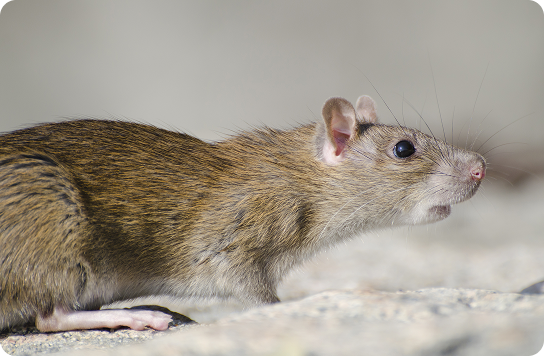
For residents in North York, ON, this often means dealing with dead rodents, dead insects, or other pest remains in buildings that range from high-rise condos to older detached homes. Because North York is part of Toronto and includes dense residential zones near transit, busy roads, and older building stock, pest issues can appear in places that are not immediately obvious. A local local exterminator can identify the source, remove the carcass safely, and explain whether the problem is isolated or tied to a larger infestation.
Why Dead Pests Should Be Removed Quickly
Deceased pests should not be ignored because the remains can create real medical risks. As a pest breaks down, it can release bacteria, bodily fluids, and particles that contribute to contamination. Those materials may contain bacteria and trigger reactions for sensitive people, especially where there are allergens present from insects, droppings, or nesting debris.
There is also the issue of pests acting as disease vectors. Even after death, a carcass can attract additional insects and scavengers. Flies may arrive quickly, followed by other pests that feed on organic material. If the remains are not removed, the site can become a magnet for secondary pest infestation, including ants, beetles, or even additional rodents looking for food and shelter.
Another concern is smell. Once decomposition begins, the odour can travel through ventilation and porous materials. That means a dead mouse in a wall, ceiling, or furnace area may create a lingering odour that affects the entire home. Quick removal supports better odor removal, improves indoor air quality, and reduces the chance that the smell becomes embedded in insulation, drywall, or soft furnishings.
In family homes, apartment units, and commercial spaces alike, prompt action also reduces exposure for children, older adults, and anyone with asthma or allergies. That is why dead pest cleanup is often treated as an urgent service rather than a minor housekeeping task.
Frequent Areas Expired Pests May Be Found in North York Homes
In North York homes, dead pests are often discovered in spaces that are heated, concealed, or hard to check routinely. Common locations include attics, basements, wall voids, and kitchens.
Attics are common hiding places because they offer warmth, coverage, and low traffic. In winter, pests may move in through entry points along rooflines, soffits, vents, or gaps near chimneys. A dead squirrel, mouse, or bird can remain unnoticed in an attic until the smell becomes strong.
Basements are another frequent problem area, especially in older homes where moisture and cracks can create access routes. In North York’s older housing stock, pests may enter through structural gaps around utility lines or foundation joints. Once inside, they may die behind stored items, near sump pumps, or under stairs.
Wall voids are notably hard because carcasses inside them are hard to see and even harder to reach. A dead mouse or rat inside a wall can produce a persistent smell and may require targeted removal and decontamination. In condos and townhomes, shared walls can make this issue even more complicated.
Kitchens are common locations for dead insects, rodents, or pests drawn to food sources. Even if the carcass is small, the surrounding area may need sanitization to reduce contamination and prevent the problem from recurring. Homes near parks, ravines, and older building stock in North York can be especially prone to hidden access routes that lead pests into these interior spaces.
Signs You May Need Expert Dead Pest Removal
A few dead pests are readily visible, but numerous cases are out of sight until the warning signs become too strong to overlook. A leading one of the biggest indicators is a ongoing foul odour that does not go away after regular cleaning. This smell often becomes stronger in heated spaces, near vents, or after the HVAC system runs.
Another sign is the sudden presence of flies. If flies begin collecting in one area of the home, especially near a wall, ceiling, or closet, there may be a hidden carcass nearby. Their larvae, or maggots, can appear when a dead pest has been present long enough for decomposition to progress.
You may also notice staining, moisture spots, or a smell that seems to move with the airflow. In some cases, a hidden carcass will be located by following the strongest source of odour. If you can identify a single room or wall section where the smell is strongest, there may be a hidden carcass behind or beneath the surface.
Other infestation signs can include an increase in other insects, such as carrion feeders, or a sudden attraction of pets to one spot. When these clues appear, it is wise to request a professional inspection rather than waiting for the smell to disappear on its own.
Ways to Handle Pest Control Services Deal With Dead Pest Removal
Skilled dead pest removal begins with a detailed inspection. A technician checks for the source of the odour, tracks likely movement paths, and identifies where the carcass may be located. In North York properties, this can mean checking attics, basements, crawlspaces, wall openings, utility penetrations, and ventilation paths.
Once the source is found, the team performs safe removal. That means using suitable containment, protective gear, and disposal methods so the dead pest does not spread contaminants to nearby surfaces. After removal, the area is wiped down thoroughly to address any fluids, droppings, or residue left behind.
The next step is disinfection, which helps reduce bacteria and other microbial contamination on affected surfaces. In more severe cases, technicians may perform decontamination to treat porous materials, remove lingering odours, and restore sanitary conditions. Some jobs may also include sanitization of insulation, flooring, or hidden structural areas.
When the carcass is in a difficult space, the service may involve safe access methods and recommendations for repairs. For example, a dead rodent inside a wall may indicate an opening that needs to be sealed afterward. In a full-service pest control North York visit, the technician may also explain how the pest got in and what can be done to prevent the next incident.
Specific to North York Pest Pressure and annual patterns
North York’s blend of condominiums, older homes, townhouses, and detached houses results in a wide range of pest issues. High-rise buildings can experience shared-wall pest movement, while older homes often have more gaps, aging seals, and hidden voids that make pest access easier. That means dead pest issues can happen in both apartment settings and houses, sometimes without a clear visible entry route.
Seasonal shifts matter a great deal. During winter pest activity, pests move indoors to escape cold weather. Rodents and insects may settle into warm wall spaces, utility rooms, and basements, where some will eventually die unnoticed. Then, during spring thaw, shifting moisture and temperature changes can reveal smells and signs that were hidden all winter.
North York homes near major corridors such as Yonge Street, Finch Avenue, and Sheppard Avenue may also experience more pest movement because of nearby dense buildings, transit activity, food sources, and construction disruption. Areas close to parks and ravines can see more wildlife access, which increases the chance of hidden entry points and carcass problems.
These local conditions are why residents often benefit from a nearby service provider with local expertise. A technician who understands North York building styles and seasonal patterns can spot trouble faster and recommend practical repairs that fit the property type.
DIY Dead Pest Cleanup vs. Using a Local Professional
Many homeowners try to deal with a dead pest themselves, mainly when the carcass is visible and easy to reach. In straightforward situations, this may be possible with proper PPE, such as gloves, a mask, and disposable coveralls. Still, the main issue is not just pickup; it is the risk of contamination, lingering odour, and incomplete cleanup.
If a carcass is accessible and the area is small, a careful homeowner might remove it and then disinfect the surface. But, if the pest is in a wall, attic, or contaminated area, the job begins to look more like biohazard cleanup. In other words, special precautions are needed to avoid spreading bacteria or allergens through the home.
DIY efforts also do not solve the root cause. If the pest entered through an opening, more animals or insects may follow. You may need follow-up trap placement, exclusion work, and ongoing monitoring to make sure the problem does not return. A hidden carcass can also mask a larger issue, such as a nest or multiple pest deaths in the same area.
Choosing professional pest control is usually the safer choice when the smell is strong, the carcass is out of reach, or the area involves insulation, vents, or shared walls. A local expert can combine removal with sanitization, decontamination, and preventive measures that are hard to match with DIY methods.
Ways to Avoid Future Dead Pest Issues
Avoiding upcoming pest concerns starts with sealing access points. Even minor openings around pipes, vents, soffits, and foundations can allow pests inside. Proper blocking work means sealing those gaps with appropriate materials so pests cannot come back after the current problem is handled.
Hygiene practices are important too. Food crumbs, uncovered garbage, pet kibble, and clutter all make it easier for pests to settle in. Cooking spaces, basements, and utility rooms should be kept tidy and moisture-free so they are not as appealing to rodents and insects. Reducing moisture can also help because many pests are drawn to humid areas.
Homeowners should also keep in mind continuous monitoring. That may include visual inspections, trap placement in high-risk areas, and regular inspections in places that have had trouble before. For an older North York home or a condo with a past of pest activity, regular monitoring can spot concerns before they turn into odour or carcass issues.
Further preventive steps include trimming overgrowth near outside walls, making sure vents covered, and monitoring for seasonal changes that encourage pests to come inside. The goal is not only to block pests out, but also to avoid them from dying inside hidden spaces where cleanup becomes difficult.
Choosing a Pest Control Company in North York
Selecting the best company makes a difference because dead pest cleanup requires more than a quick pickup. Look for qualified technicians who understand both pest removal and sanitation procedures. They must be able to describe how they will inspect the property, remove the carcass safely, and handle odour and contamination concerns afterward.
Same-day service can be especially valuable when the smell is strong or the carcass is disrupting daily life. In dense parts of North York, prompt scheduling is often important because odour can move through condos, townhomes, and shared hallways. A provider that offers urgent service can help ease stress and limit exposure.
Inquire about their inspection report and whether it includes notes on entry routes, damaged materials, and suggestions for sealing and repairs. The best companies do more than remove the carcass; they also explain the conditions that made it possible. That is where local expertise becomes valuable, especially in neighborhoods where older construction or nearby green space makes pest entry more likely.
A strong provider should also support both residential pest control and commercial pest control, since dead pest issues can happen in apartments, retail spaces, offices, and food-service properties. The goal is a complete solution, not just a temporary fix.
When Dead Pest Removal Is Part of a Larger Infestation
Sometimes a dead pest is not an isolated event. It may be the initial warning sign of a larger infestation that needs immediate attention. If one rodent or insect died indoors, there may be others still active nearby. In that case, dead pest removal should be paired with wider pest control planning.
For example, rodent control may be needed if the carcass is a mouse or rat and there are signs of nesting, droppings, or gnaw marks. Cockroach control may be necessary if dead roaches are found in kitchens, utility rooms, or behind appliances, since a few visible bodies can indicate a much larger population nearby. If the issue involves bed bugs, the dead insects may be only one part of a room-wide or building-wide infestation.
This is where integrated pest management becomes the best approach. Integrated pest management combines inspection, sanitation, exclusion, targeted treatment, monitoring, and follow-up. It focuses on the underlying conditions that allow pests to enter and survive, rather than relying on one-time treatment alone.
In North York, this approach is especially useful in buildings with shared walls, aging infrastructure, or heavy seasonal pest pressure. A dead carcass can be the symptom, but the underlying issue is often a gap, moisture problem, or repeated access route that needs a full response.
Frequently Asked Questions Regarding Dead Pest Removal in North York
How do I figure out if a dead pest is still inside my home?
Common signs include a persistent foul odour, increased fly activity, or a smell that is strongest near one wall, vent, or ceiling area. When the odour intensifies when heat or airflow increases, the carcass may be hidden in a wall void, attic, or basement space. An expert inspection is often the fastest way to confirm the source. Often, the location can be difficult to pinpoint without proper tools. This is why a careful assessment can save time and stress.
How much time does dead pest odour last if it is not removed?
How long the odour lasts depends on the pest, room temperature, ventilation, and where the carcass is located. In warm or enclosed areas, the smell can last for a long time and may spread through the home. Since decay can absorb into porous materials, waiting usually makes odor removal harder, not easier. When removal is delayed, the smell may become more noticeable and harder to clean up.
Is it possible to remove a dead pest myself or should I hire pest control in North York?
If the carcass is small, visible, and easy to reach, some homeowners can remove it safely with PPE. But if it is hidden, if there is strong contamination, or if the site may involve biohazard cleanup, hiring pest control North York is the safer option. Professionals can handle safe removal, disinfection, and follow-up prevention. A self-removal attempt may be fine for simple cases, but expert assistance is advised when the situation is uncertain. Careful removal and full disinfection can make a major difference.
What is the price of dead pest removal cost in North York, ON?
Cost factors include the type of pest, where it is located, whether access is difficult, and whether disinfection or decontamination is needed after removal. A carcass in a visible spot is usually simpler than one inside a wall or attic. The best way to get an accurate estimate is through an inspection from a local provider in North York, ON. Some jobs are straightforward, while others involve additional work because of hidden access or cleanup needs. A visit can reveal the most realistic price range.
Can dead pest removal fix the infestation that caused it?
Not always. Dead pest removal addresses the carcass, odour, and sanitation issues, but it does not automatically stop the underlying infestation. If there are infestation signs such as droppings, nesting, or more active pests, you may also need rodent control, cockroach control, or another targeted treatment plan. Exclusion, sanitation, and ongoing monitoring are often needed to prevent a repeat problem. Removing the carcass is only one step, and fixing the cause is essential. Long-term prevention usually depends on sealing entry points and reducing attractants.